
Strength gets treated as a verdict on Pit Bulls one way or another. Either it’s proof of danger, or it’s flipped into superhero marketing: the gentle giant who could crush you but chooses not to. Both framings skip the actual point. A strong dog is a dog that needs specific, practical ownership choices. That’s it. Not a threat, not a mascot. A responsibility with a clear set of actions attached to it.
Secure Equipment, Every Time
A well-fitted harness, a leash rated for the dog’s strength, and a collar that can’t slip are not optional extras. They’re baseline equipment for any strong dog, the same way a car seat isn’t optional for a toddler. Check fit regularly, especially as a young dog’s body changes.
Training as an Ongoing Practice
Basic obedience isn’t a one-time box to check off. Recall, a reliable “leave it,” and calm greeting behavior all need maintenance over a dog’s life, not just puppy-stage attention. A well-trained strong dog is dramatically easier to manage in the moments that actually matter, a dropped leash, an off-leash dog approaching, a startling noise.
Supervision in the Right Situations
Supervision isn’t about distrust. It’s about recognizing that any strong dog, in any unpredictable situation, benefits from a person actively paying attention rather than assuming things will sort themselves out. That applies to dog parks, to kids visiting, to new environments.
Reading the Individual Dog
Every dog has their own thresholds, triggers, and comfort zones. Learning to read your specific dog’s body language matters more than any general rule about the breed. A responsible owner knows their dog’s tells well before a situation gets tense.
Thoughtful Introductions
New people, new dogs, new environments all go better with a plan: controlled distance, a calm approach, an exit option if things aren’t going well. The same patience that matters in the first week home matters for every new introduction after that, too.
Enrichment, Not Just Exercise
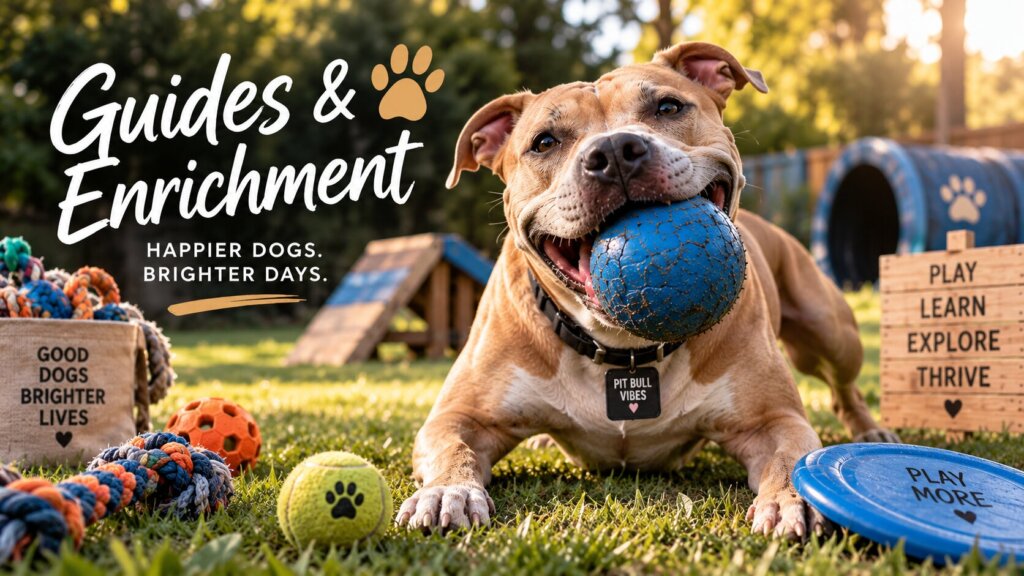
A strong, high-energy dog with no mental outlet gets harder to manage, not because the breed is difficult, but because an under-stimulated dog of any kind tends to make their own fun. Enrichment is part of responsible ownership, not a bonus activity.
Respecting Other People’s Space
Not everyone wants to meet your dog, and that’s fine. A responsible owner manages distance in public without making it anyone else’s problem, on a leash, around strangers, around kids who weren’t asked whether they wanted a greeting.
Planning Ahead
Housing, travel, vet access, emergency plans. The groundwork that should happen before adoption doesn’t stop mattering once the dog is home. It just shifts from a decision to a habit.
Strength Is a Consideration, Not a Verdict
None of this treats strength as evidence of a dangerous dog, and none of it treats the breed as some invincible good-dog myth either. Both extremes miss the actual dog. Strength is just one trait among many that shapes what responsible ownership looks like day to day, and it’s entirely manageable with the right habits in place.